Freelance
Client sends a .max. Deadline is tomorrow.
200 nested materials, Multi/Sub-Object everywhere. You work in Blender. Double-click the .max, pick Cycles, render tonight.
Rendered tonight
Oruva · 1.3.1
Find the model in your library. Send a native, editable scene to Cinema 4D, Blender, Maya, Houdini or SketchUp, with materials rebuilt for supported renderers. Real nodes. Relinked textures. No 3ds Max installation required.
$99 one-time launch price · 14-day trial · No credit card
Drag & drop — any .max, straight into your app on macOS — yes, really
Drop the .max — or the whole archive. Oruva finds the scene inside.
 Cinema 4D— untitled
Drag a .max anywhere into the app
 Oruva
Oruva
Deliver velora-armchair.max to Cinema 4D as
Real captures
Real workflow, real app — nothing staged, just trimmed and sped up in places so you’re not watching progress bars. Hover a renderer to switch the capture; the Mac drag & drop is up top, in the hero.

A native .c4d scene — real node graphs for whichever renderer you pick. All five captured below.
An editable .blend — pick V-Ray, Cycles or Eevee and the shading networks come across native.
Native Maya shading networks, rebuilt node for node for the renderer you choose.


An editable Houdini project — materials rebuilt for the engine you render with.


The scene lands in your SketchUp workflow with render-ready materials.
And for the Max users themselves
Explore application and renderer versions in the compatibility guide.
Convert
Geometry, materials, lights and cameras, rebuilt for supported destinations with editable material graphs. Supported hair and fur follow the destination's capabilities. Review the conversion report for missing textures, unsupported features and approximations.
Rebuilt as a live node graph in the destination — still editable, still yours.
Illustrative scene counts and timing. The real captures above show imported materials; actual results depend on the source scene and destination.
| Starting point | What Oruva does | What to check |
|---|---|---|
| A .max scene | Reads supported scene data directly without 3ds Max. | Source features and the destination's supported versions. |
| A model archive | Locates the scene inside supported archives and collects its textures. | Include all supplied texture files and choose the intended scene variant. |
| Renderer materials | Rebuilds supported materials as editable native graphs. | Missing textures, unsupported nodes and approximations in the report. |
| Your 3D app | Hands the scene to its installed Oruva connector. | App, renderer and platform coverage in the compatibility guide. |
| A reference image | Ranks matching assets from your indexed library using local AI. | Compare the candidates; an exact match may not be present. |
Follow a first conversion and review the result in your renderer.
No setup, no linking
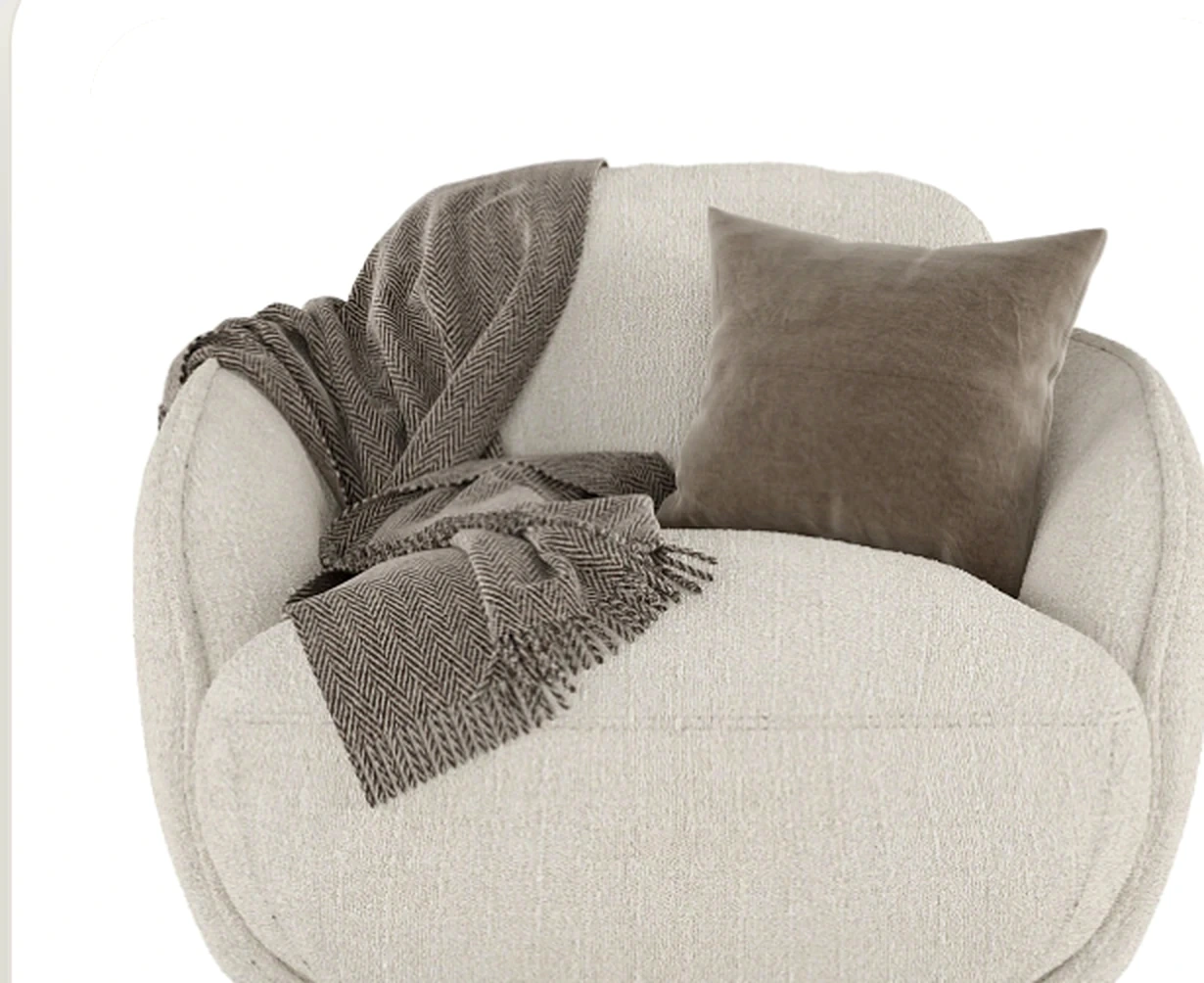
One habit is all it takes: the archive and its render images share a name. Store downloads usually arrive that way — and if yours don't, just rename one to match. From there it's Oruva's problem: click the image you like, it finds the archive, extracts it, pulls out the .max, and converts. You never open a ZIP again.
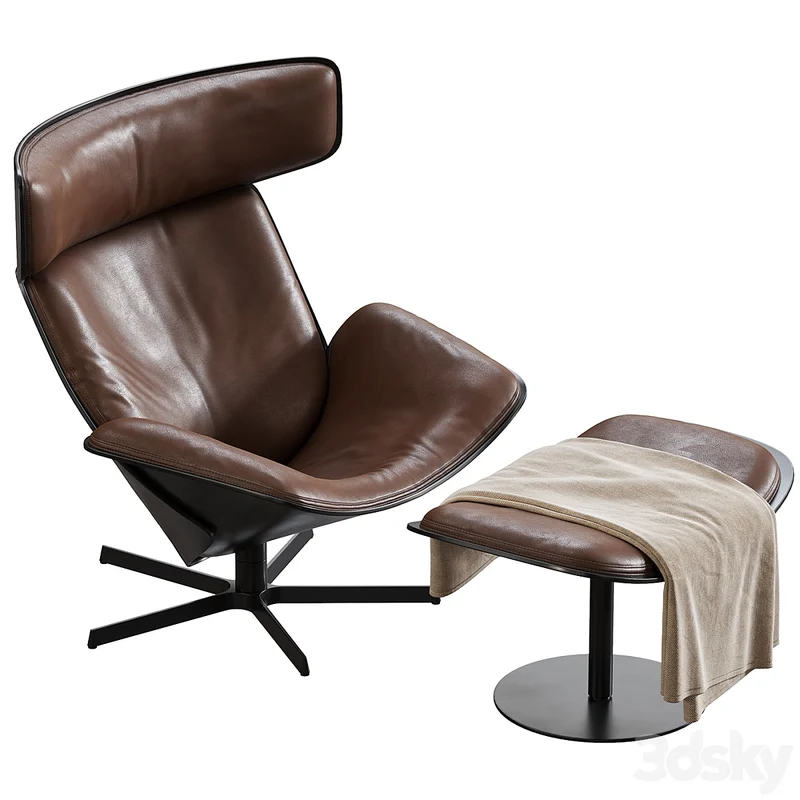 Armchair_Ani.pngname
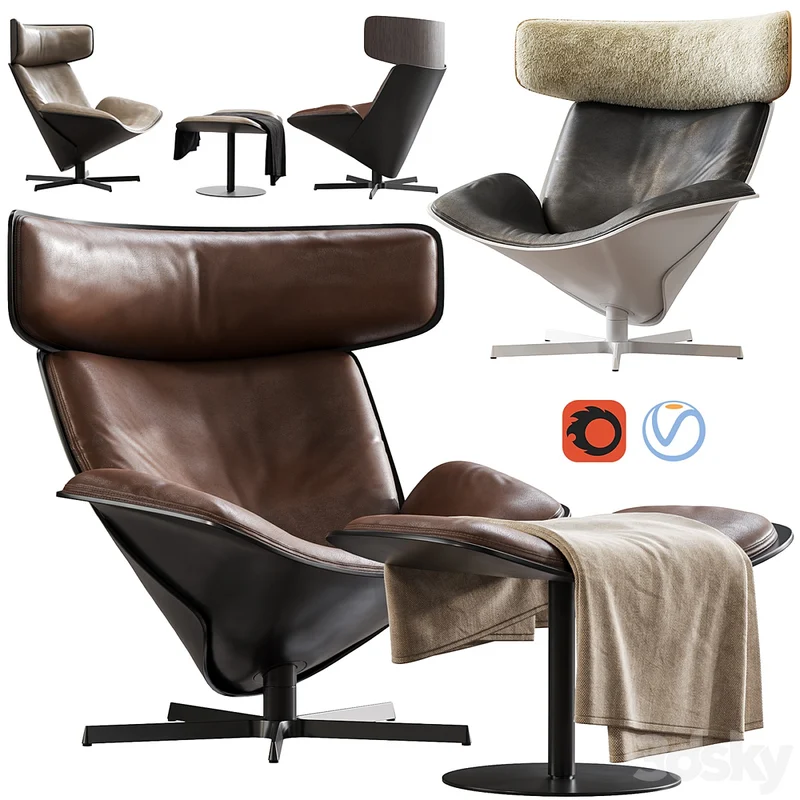 Armchair_Ani-2.pngname
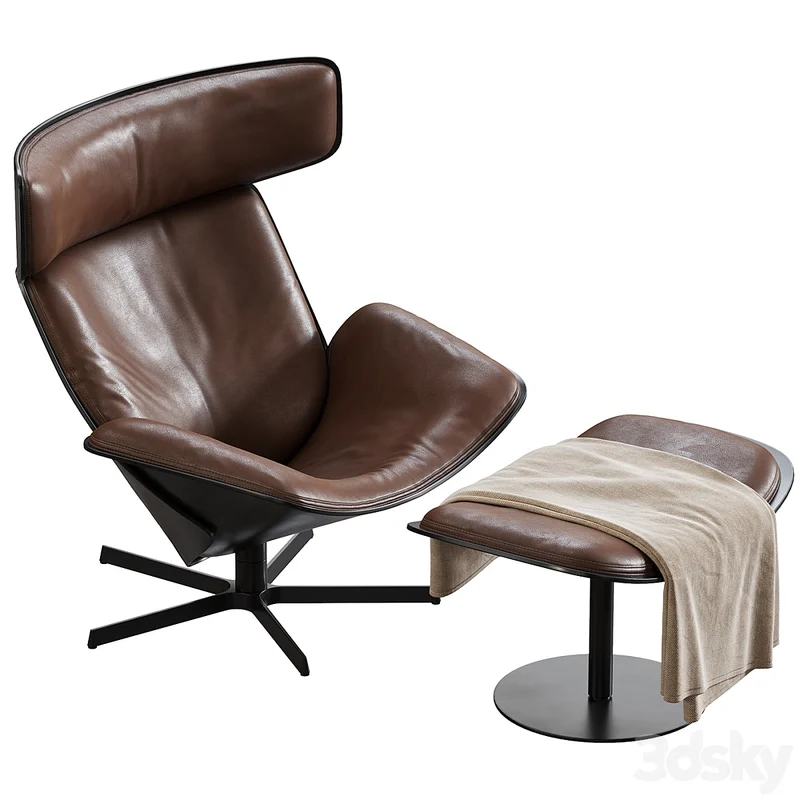 Armchair_Ani-3.pngnameopens in Cinema 4D · V-Ray materials, nativeDONE
Archives with same-named renders — the way 3DSKY, Evermotion and CGTrader already deliver them. Downloaded pieces separately? Give the image the archive's name and you're set.
You browse pictures, like always. Pick the chair, pick the destination app and renderer.
Preview Armchair_Ani-3.png → archive Armchair_Ani.zip. Extracted, the .max found inside, textures collected.
Converted for your renderer. The archive goes back to being just a file on your disk.
Same name = matched. That's the whole contract — and when a match is genuinely ambiguous, Oruva asks instead of guessing.
Make It Smart
One click runs over your whole library — on your own GPU. Every model gets a written description, tags, and a color palette. From then on you search by describing the thing, not by remembering what some archive was called.
Make It Smart — batch run · 286 assets
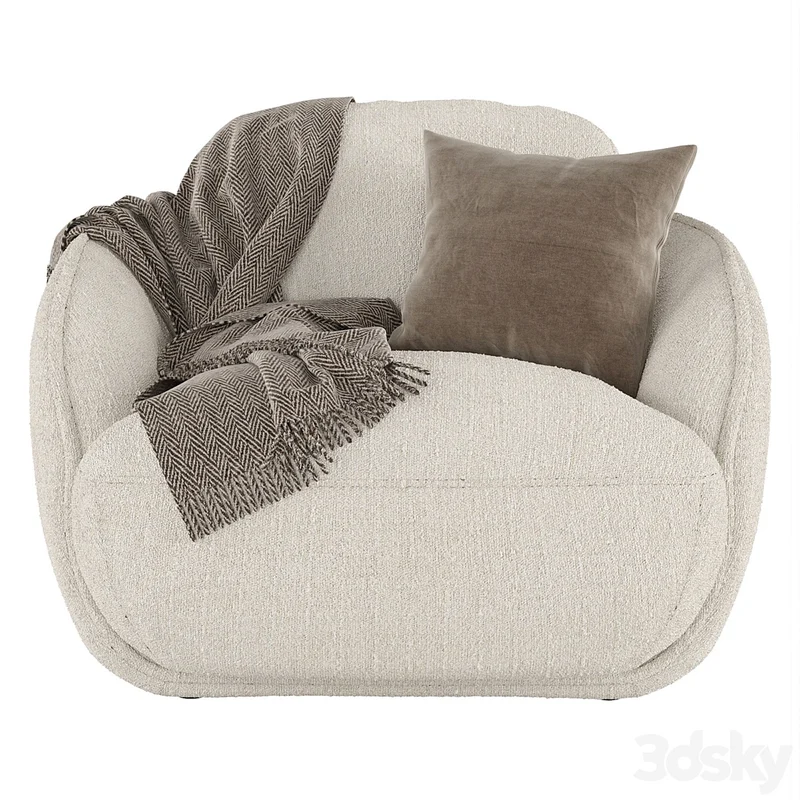 ANALYZING · LOCAL GPU
Description — written by the AI
Tags
Palette
armchair-riolofound by its own description
98%
Search
Search by meaning, colour, shape or silhouette — powered by the captions Make It Smart wrote. All of it offline, on your own machine, so a plain sentence finds the model even if it's called am_223_pack_final2.rar.
All Assets — 286 models
Visual Search
Drop in a screenshot or a reference photo. Oruva can focus on the object and rank visual matches from your library. Find a familiar model or explore close alternatives; results depend on the image and the assets you have indexed.
Visual search — drop, paste or pick an image
Object isolated — searching your library
99%97%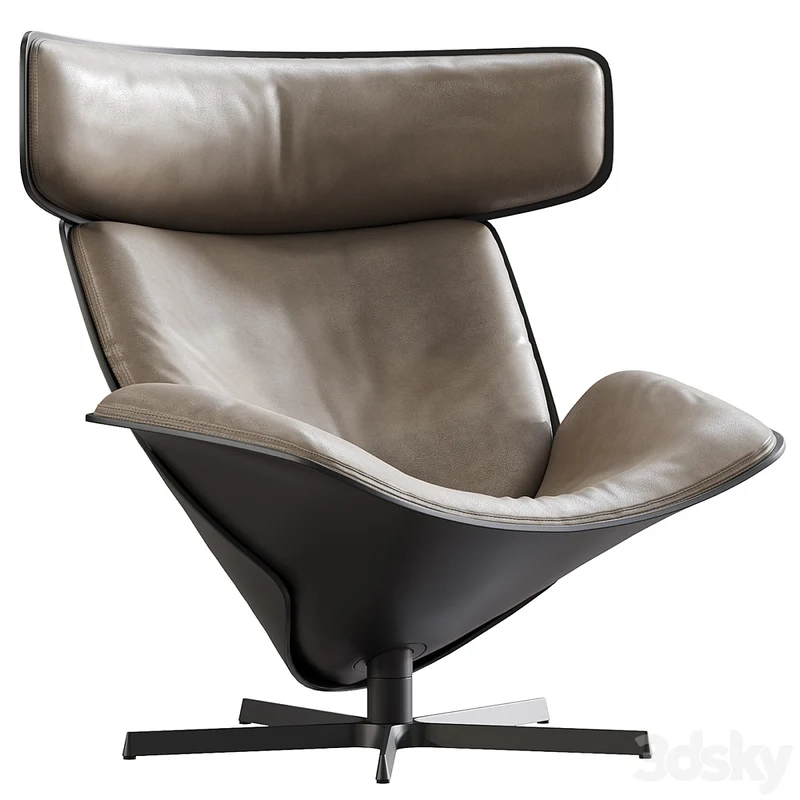 95%
95%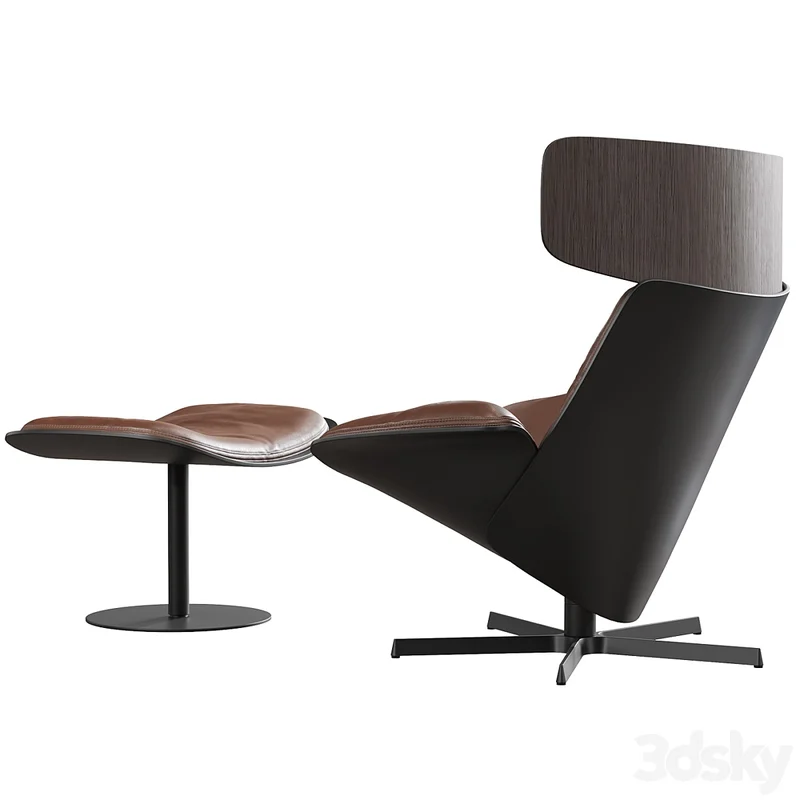 93%
93%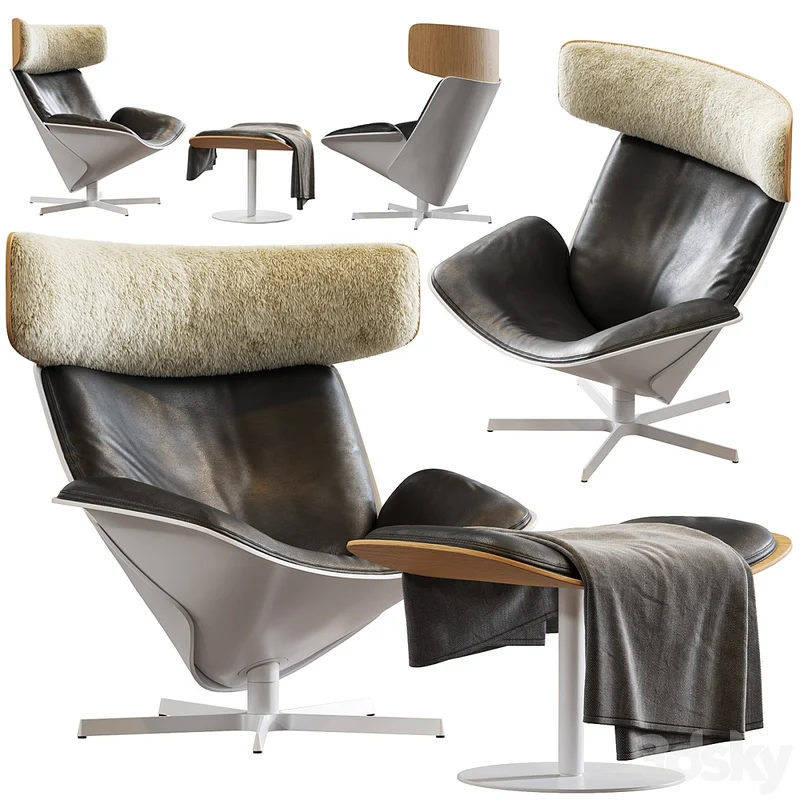 91%
91%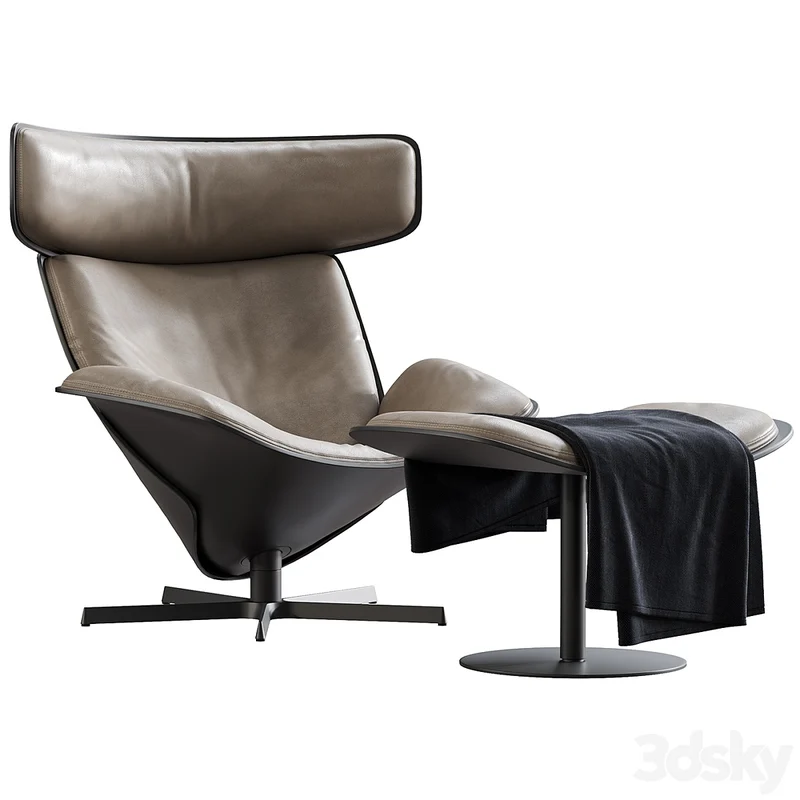 88%
88%Visual matching: compare candidates across viewpointsRuns offline — the photo never leaves your machineShape mode: explore similar forms and silhouettes
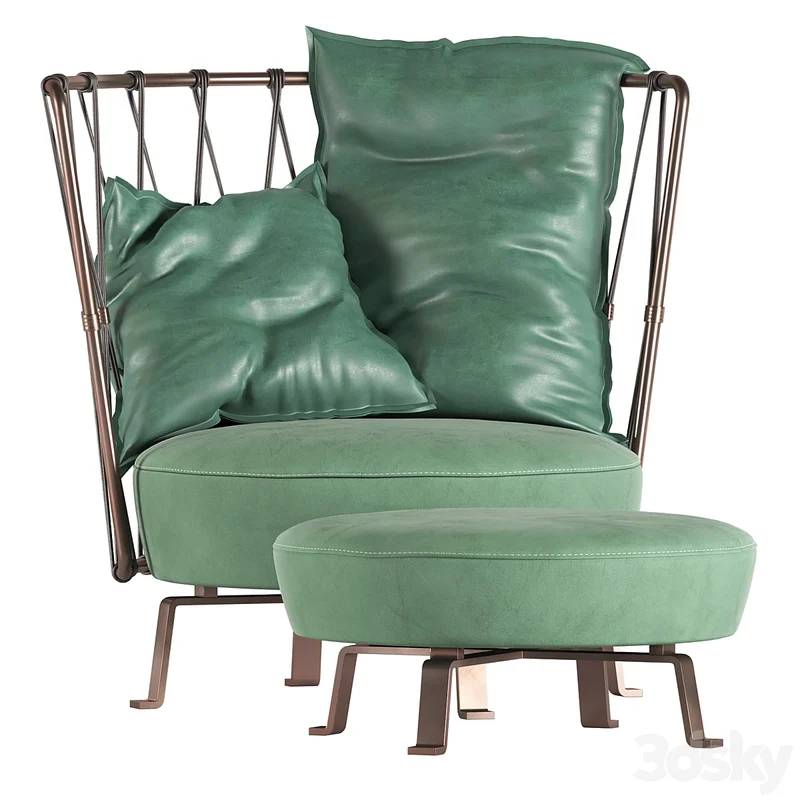
Find Similar — right-click any model
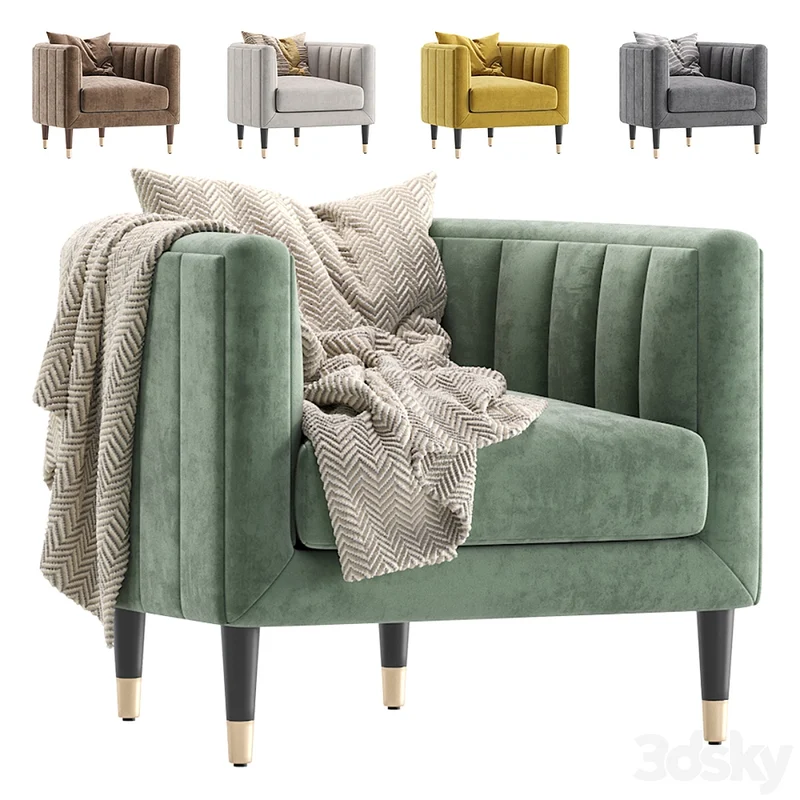 96%
96%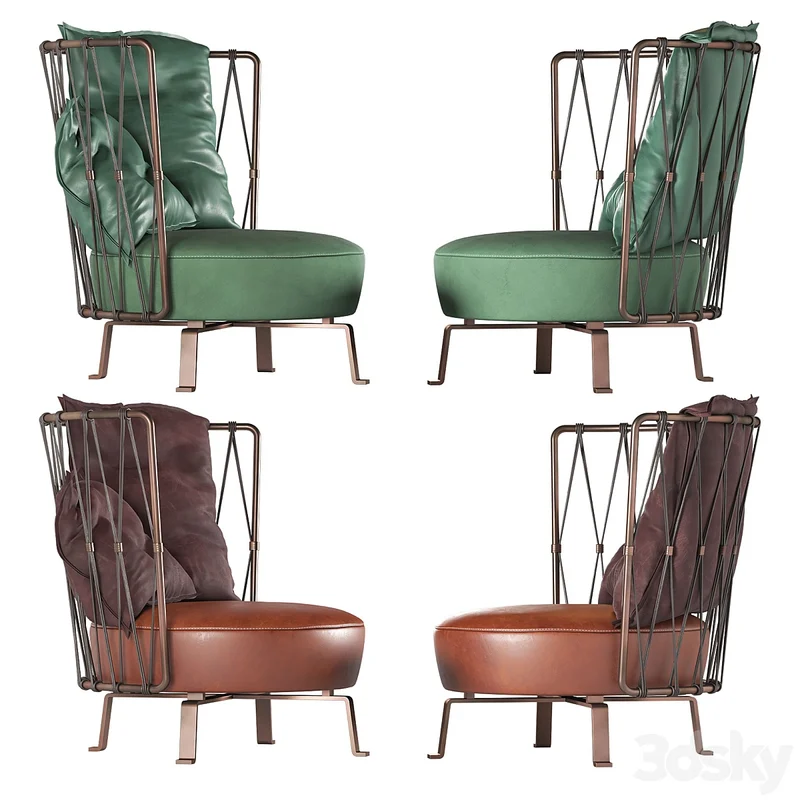 94%
94% 91%
91% 88%
88%Organize
Point Oruva at the drives where your models already live. It indexes ZIP, RAR, 7z and ISO packages without extracting them, pairs previews with the right archive, and files everything into categories on its own.
3D Generator
Type model names one per line — or push them straight from the library. Oruva finds each one in your catalog, extracts, converts and assembles them into a single native scene, every model grouped under its own name.
Your list
living-room-set.c4d — delivered5 models · grouped & named · materials native to Redshift
Sound familiar?
Freelance
200 nested materials, Multi/Sub-Object everywhere. You work in Blender. Double-click the .max, pick Cycles, render tonight.
Rendered tonight
Mac studio
There is no 3ds Max for macOS — and with Oruva there doesn't need to be. The .max opens on the machine you actually own.
No Windows box in the closet
Asset buyer
Found a model for another app? Oruva locates the .max in the archive and rebuilds supported materials in your destination. Check the report and compare the result with the supplied preview.
Editable materials, ready to inspect
Ten years of downloads
Point Oruva at the drive. It indexes every package without extracting, captions everything, and turns a dead folder into a working library.
Your backlog becomes an asset
And then some
Send anything you like to the Designer tab — it pulls the models from your library that fit it: same mood, same palette, same era. Style, colours, or both.
A PureRef-style canvas that lives inside your library — pin models, sketch connections, drop notes, and search the board right back into the catalog.
An assistant that has actually read your library. Ask in plain language, refine on follow-up — results land right in the conversation.
Saved searches that stay live as the library grows. Give each its own colour and icon from 1,400+, auto-tag whatever lands inside — or lock one with a password.
Keep separate libraries on any drive — create, switch, merge or import another one in seconds. Coming from Eagle? Import folders and tags from your Eagle library.
Extend the app, or build on it. Install community plugins from the Plugin Center — or write your own against the SDK and publish it.
The same model bought twice, the same pack downloaded three times — found visually, reviewed side by side, cleaned up in one pass.
Search by a paint code, a picked swatch, or a palette extracted from up to eight reference images. Then filter by shape, rating, size, tags.
Library search, AI captioning and conversion run on your machine. Account and licence checks use an internet connection; optional external search sends the image you choose to its provider.
Before you ask
Oruva reads supported .max scenes directly, without a 3ds Max installation or licence. Sending the original scene to 3ds Max itself still requires 3ds Max. See compatibility for tested destinations and macOS status.
Oruva 1.3.1 includes Cinema 4D, Blender, Maya, Houdini and SketchUp workflows, plus opening an assembled original scene in 3ds Max. Renderer and version coverage differs by app and platform. Check the compatibility guide before planning a project.
Supported materials are rebuilt as editable native graphs with their maps reconnected. Renderers differ, so a 1:1 match is not guaranteed. Inspect the conversion report for missing textures, unsupported features and approximations.
Library indexing, local AI search, captioning and conversion run on your machine. An account and online licence checks are required for protected features. Optional external search sends the selected image to its provider when you choose that action. See the privacy policy for details.
The individual launch price is $99 as a one-time purchase, including one year of updates. Oruva 1.3.1 includes a 14-day trial with 5 scene conversions. Optional updates are listed at $59 per year; the purchased version remains usable without renewal.
You can import an Eagle library, including its folders and tags. Start with a small library and review the imported assets before bringing over the rest of your collection.
Your model collection is already worth more than you think. Oruva just unlocks it.
14-day trial · 5 scene conversions · Launch pricing & licence details